U.S.-India Relation
1947 – 2020
1949
October 13, 1949
Prime Minister Nehru Visits U.S.
Prime Minister Pandit Jawaharlal Nehru meets with U.S. president Harry S. Truman on a multi-week tour tour of the United States. The trip precedes India’s formal proclamation of neutrality in the developing Cold War, in which it would take a leadership role within the Non-Alignment movement. This sets the tone for U.S.-India relations throughout the Cold War, creating constraints within the relationship, as well as opportunity for amity between Delhi and Moscow.
1971
India, Pakistan Go to War
India and Pakistan become embroiled in their third conflict as Pakistan descends into a civil war that ends with the creation of Bangladesh, formerly East Pakistan, on December 6. Despite evidence of the Pakistan Army’s violence against its own citizens in East Pakistan, the United States sides with Islamabad, given its mediating role in Nixon’s rapprochement with China. India also signs a twenty-year Treaty of Friendship and Cooperation with the Soviet Union in August, sharply deviating from its previous position of non-alignment in the Cold War. In This war India plays big role to making Bangladesh, and after the Second World War, the largest number of soldiers of any country surrendered. Nearly 90,000 Pak soldiers knelt before the Indian Army at the Dhaka Stadium
1982
July 28, 1982
Indira Gandhi Mends Ties During U.S. Visit
Prime Minister Indira Gandhi meets with President Ronald Reagan during a state visit to improve the countries’ strained relationship. Gandhi highlights differences between the United States and India in a speech at the White House, but says they should “find a common area, how so ever small.” The leaders end up agreeing to increase cooperation and resolve a dispute over nuclear power, four years after the United States blocked shipments of low-enriched uranium fuel needed for India’s Tarapur power plant. Two years later, Vice President George H.W. Bush leads a high-level visit to New Delhi.
1990
May 20, 1990
U.S. Crisis Mission Travels to Region
Deputy National Security Advisor Robert Gates travels to India and Pakistan to defuse tensions over the rapidly escalating insurgency in Kashmir. The trip comes amid fears of potential nuclear warfare between Pakistan and India.

1991
July 24, 1991
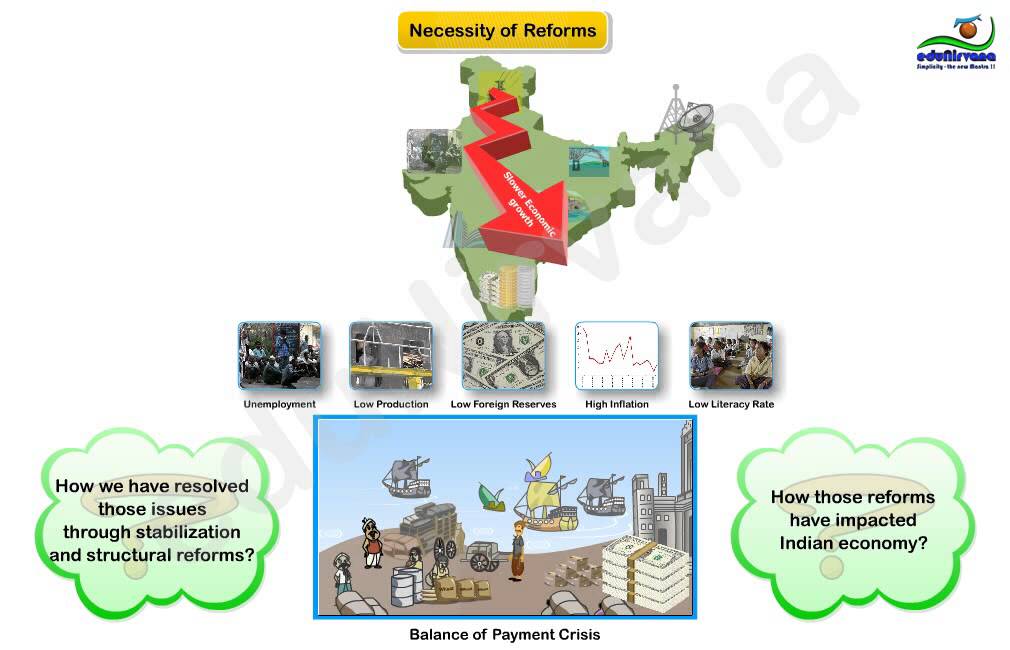
India Launches Economic Reforms
The government of Prime Minister P.V. Narasimha Rao launches sweeping economic reforms that help expand economic ties with the United States. Finance Minister Manmohan Singh oversees the opening of India’s economy to international trade and investment, deregulation, initiation of privatisation, tax reforms, and inflation controlling measures that catalyze decades of fast growth.
1998
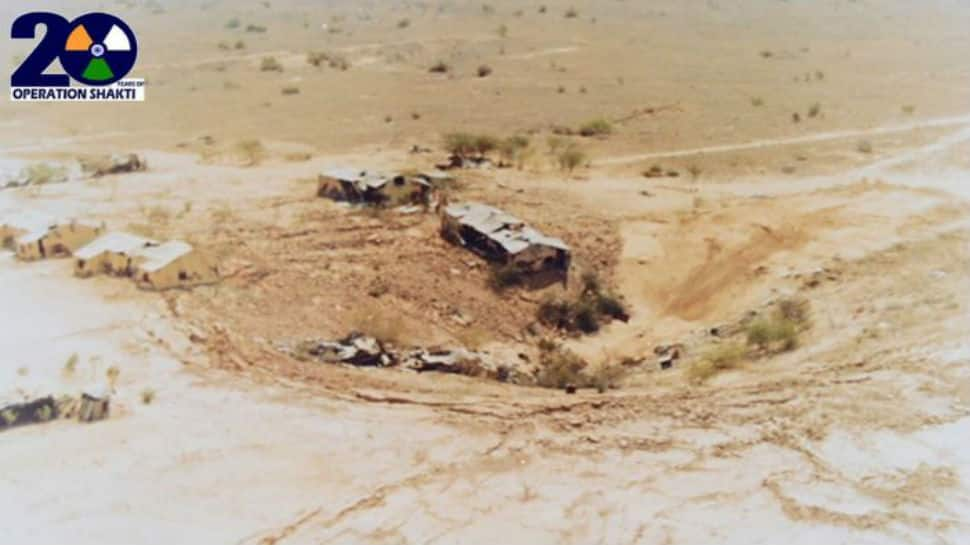
May 11, 1998
India Tests Nuclear Devices
The Indian government announces the completion of a series of underground nuclear tests close to the border with Pakistan, surprising U.S. intelligence organizations and raising fears the move could spark a regional nuclear arms race. The tests draw international condemnation and badly damage India’s relationship with the United States. After recalling the U.S. ambassador to India, President Bill Clinton imposes economic sanctions, required under U.S. law.
1999
March 3, 1999
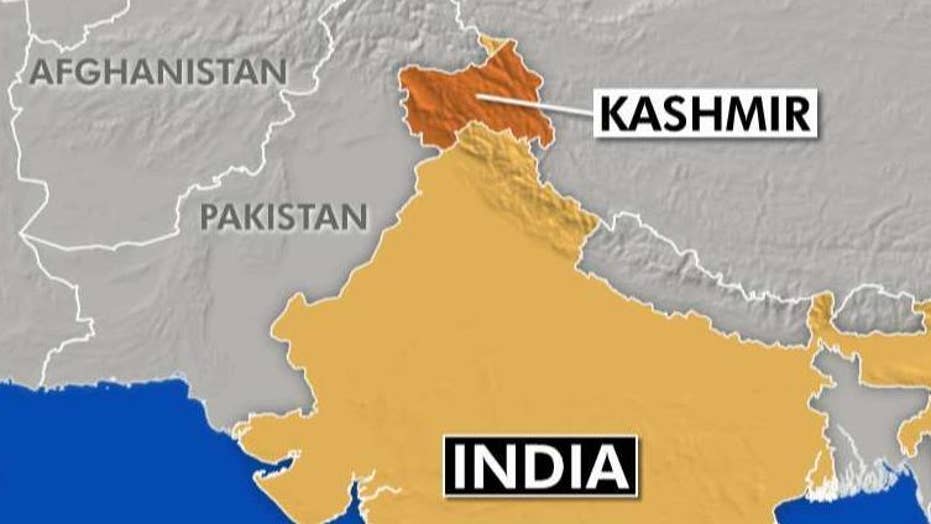
Pakistan, India Clash in Kashmir
Pakistani forces infiltrate Indian-administered Kashmir. India launches air strikes in return, and armed conflict continues through early July. After President Clinton summons Pakistani Prime Minister Nawaz Sharif to Washington for a Fourth of July emergency meeting, Sharif withdraws Pakistani forces from their positions beyond the Line of Control.
2001
U.S. Lifts India Sanctions
President George W. Bush’s administration lifts all remaining U.S. sanctions that were imposed on India after its 1998 nuclear test. Most economic sanctions had been eased within a few months of their imposition, and Congress authorized the president to remove all remaining restrictions in 1999.
2005
June 28, 2005
U.S., India Sign New Defense Framework
The United States and India sign the New Framework for the U.S.-India Defense Relationship [PDF], which sets priorities for defense cooperation in maritime security, humanitarian assistance/disaster relief, and counterterrorism. In October, the two countries conduct the largest naval exercise to date, followed by major air and land exercises.
2005
July 18, 2005
Landmark Civil Nuclear Deal Drafted
India and the United States ink the Civil Nuclear Cooperation Initiative, a framework that lifts a three-decade U.S. moratorium on nuclear energy trade with India. Under the agreement, India agrees to separate its civil and military nuclear facilities and place all its civil resources under International Atomic Energy Agency (IAEA) safeguards. In exchange, the United States agrees to work toward full civil nuclear cooperation with India. Congress gives final approval in October 2008.
2008
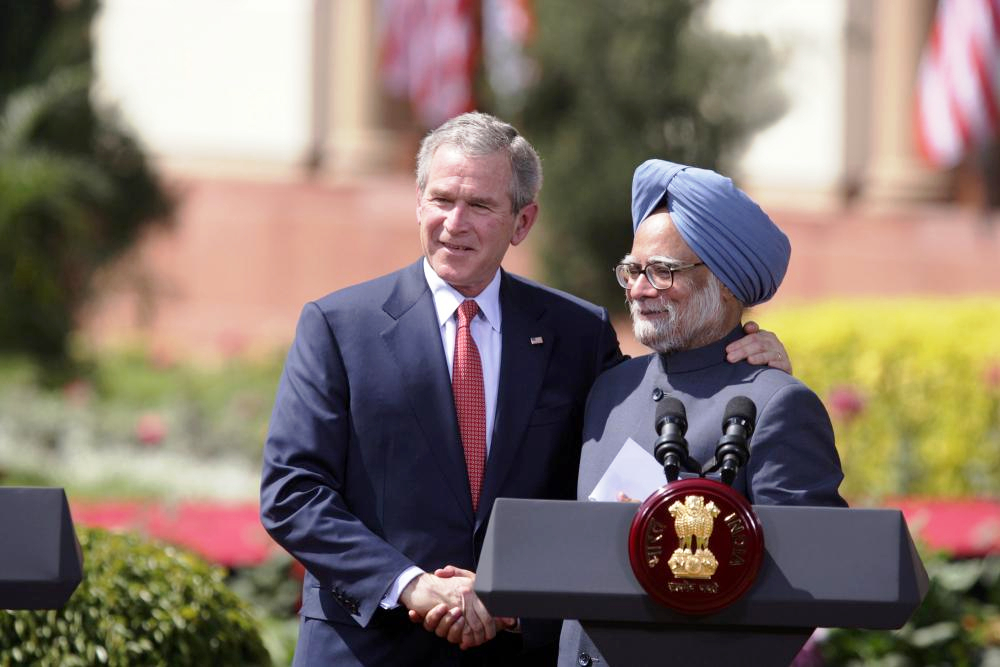
September 6, 2008
Nuclear Energy Regulator Allows Indian Nuclear Trade
The Nuclear Suppliers Group (NSG), an intergovernmental body that sets guidelines for nuclear exports, allows an exemption to its rules [PDF] that permits India to engage in nuclear trade for the first time in three decades. The waiver is approved following intense diplomatic efforts by the Bush administration, dating back to 2005 when Washington and New Delhi signed the Civil Nuclear Cooperation Initiative. Ahead of the NSG negotiations, Secretary Rice lobbies foreign counterparts to support the waiver, making more than two dozen phone calls. Analysts say the deal is critical to India’s economic growth and satisfying increasing energy demands.
2008
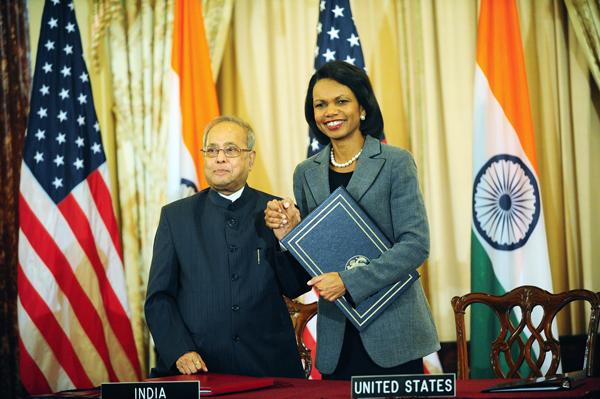
November 8, 2008
Indian Spacecraft Makes First Moon Landing
Chandrayaan-1 becomes the first Indian spacecraft to land on the moon. It carries two scientific instruments designed by NASA scientists, which later discover water molecules on the moon’s surface. India was the country who discovered water on moon. The achievement is one of many resulting from ongoing U.S.-India space cooperation dating back to 1963.

2008
November 26, 2008
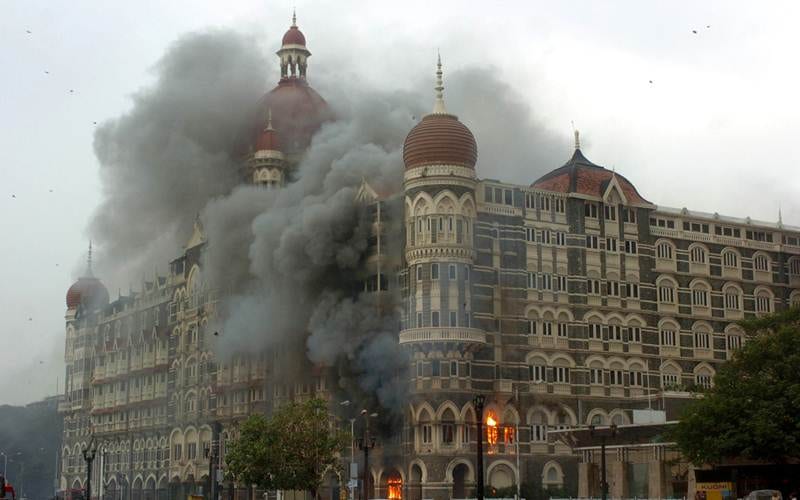
Terrorists Attack Taj Mahal Palace Hotel
Lashkar-e-Taiba terrorists from Pakistan attack the Taj Mahal Palace Hotel in Mumbai. More than three hundred citizens die in the three-day conflagration, including six Americans. The United States cooperates closely with Indian authorities, sending FBI investigators and forensics experts.
2010
June 1, 2010
U.S., India Hold First Strategic Dialogue
The United States and India formally convene the first U.S.-India Strategic Dialogue. A large, high-ranking delegation of Indian officials visits Washington, DC, and Secretary Clinton lauds India as “an indispensable partner.” President Obama says the relationship “will be a defining partnership in the twenty-first century.” Subsequent dialogues follow annually.

2010
November 5, 2010
Obama Backs India Bid for UN Security Council
President Obama visits India, where he addresses Parliament and backs the country’s long-held bid for a permanent seat on the United Nations Security Council. The trip also highlights the countries’ economic ties, with Obama announcing $14.9 billion in trade deals. However, trade concerns around access to Indian markets and issues surrounding civil nuclear cooperation cloud the talks.

2014
May 20, 2014
Obama Invites Modi to U.S.
BJP party wins national elections, elevating Narendra Modi to prime minister. President Obama congratulates Modi and invites him to the White House.

2014
September 26, 2014
Modi Makes High-Profile U.S. Visit
Modi makes his first visit as prime minister to the United States, aiming to attract investment and firm up the U.S.-India strategic partnership. Modi’s events include a sold-out speech in New York’s Madison Square Garden and meetings with U.S. business executives. In Washington, Modi and President Obama reach agreement on a memorandum of understanding between the Export-Import Bank and an Indian energy agency, which provides up to $1 billion to help India develop low-carbon energy alternatives and aid U.S. renewable energy exports to India.
2017
February 22, 2017
Indian Engineers Attacked in Hate Crime
After confronting two Indian men at a restaurant in Kansas, yelling “get out of my country,” a white man shoots the two men, as well as a third who intervened. One of the men, Srinivas Kuchibhotla, dies, and his friend, Alok Madasani, and the bystander are injured. India sends nearly one-fifth of the foreign students studying in the United States and more than three-quarters of the highly skilled workers approved for H-1B visas [PDF], but the racist attack sparks concern among Indians that the United States is not safe for them. Increasing anti-immigrant rhetoric causes some prospective applicants to rethink their plans

2017
June 26, 2017
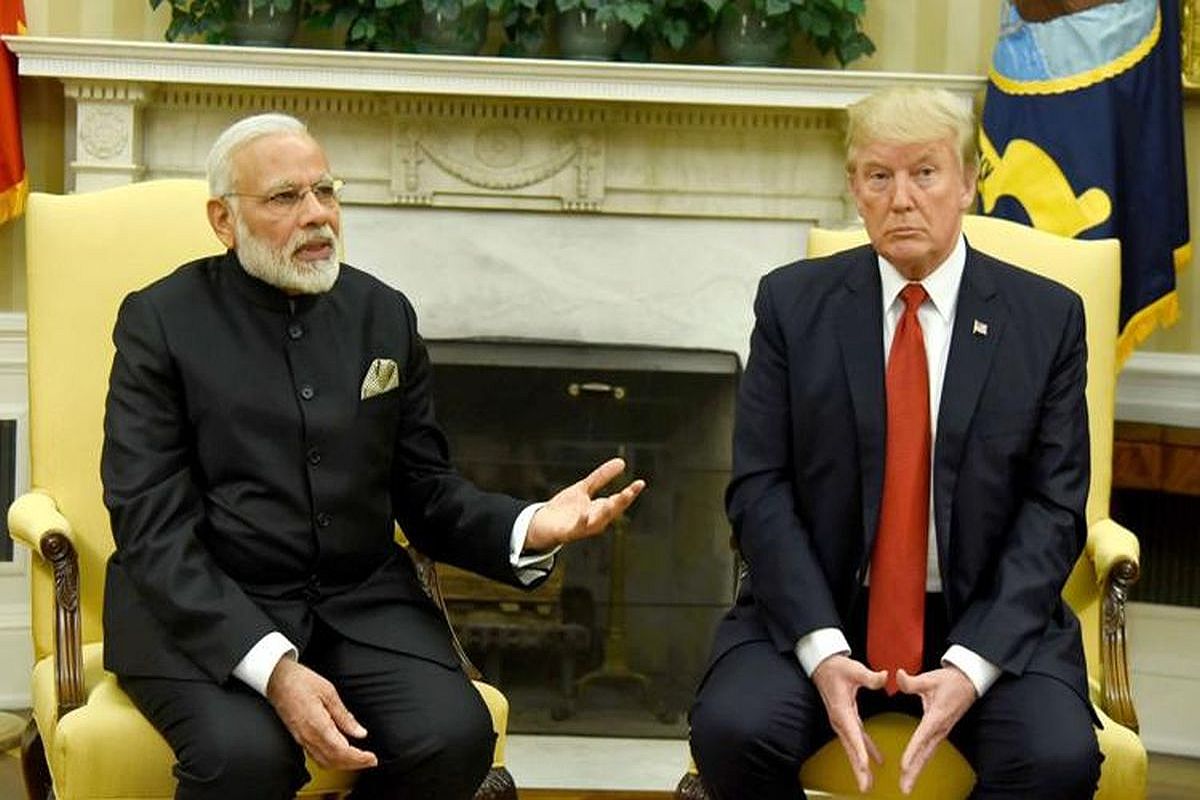
Trump, Modi Meet for First Time
President Donald J. Trump welcomes Prime Minister Modi to the White House for their first face-to-face meeting. Though Trump had raised sharp disagreements with India over trade, climate change, and H-1B visas, these issues are sidelined during the leaders’ summit, and their joint statement emphasizes strengthening their defense partnership, cooperating on counterterrorism efforts, and boosting economic ties.

2018
September 6, 2018
Another Step Forward Taken in Defense Partnership
During a “two-plus-two” dialogue in New Delhi, U.S. Secretary of State Mike Pompeo and Secretary of Defense Jim Mattis sign an agreement with Indian Minister of External Affairs Sushma Swaraj and Defense Minister Nirmala Sitharaman. The Communications Compatibility and Security Agreement (COMCASA) gives India access to advanced communication technology used in U.S. defense equipment and allows real-time information sharing between the two countries’ militaries. The agreement had been under negotiation for nearly a decade.

2019
June 5, 2019
Trump Ends India’s Special Trade Status
The Trump administration terminates India’s preferential trade status, part of a program dating back to the 1970s that allows products from developing countries to enter the U.S. market duty free. Trump says India has not provided “equitable and reasonable access” to its own market. Weeks later, India slaps tariffs on twenty-eight U.S. products in response to U.S. duties on steel and aluminum imposed in 2018. New Delhi had drafted the retaliatory tariffs earlier but held off on implementing them amid trade talks.
2020
February 24, 2020
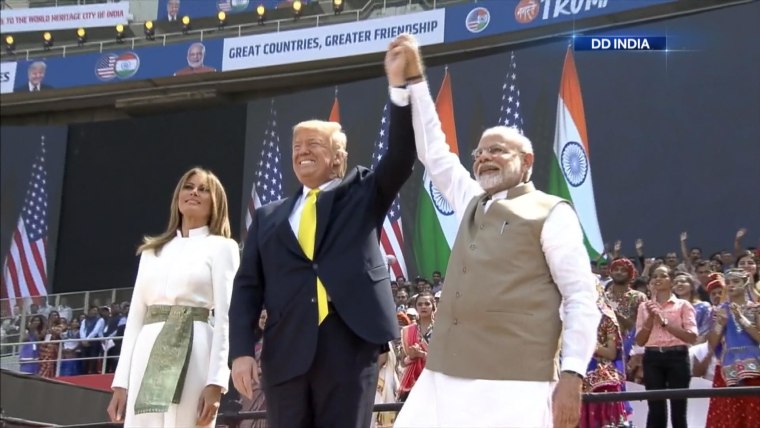
Trump Makes First Visit to India
At an Ahmedabad rally with an audience of more than one hundred thousand people, President Trump praises the U.S.-India relationship and Prime Minister Modi’s leadership. The two leaders announce plans to work together on counternarcotics and mental health. India agrees to purchase $3 billion in U.S. military equipment, and U.S.-based oil company ExxonMobil announces a deal with state-owned Indian Oil Corporation. Despite years of negotiations aimed at resolving trade issues, officials do not reach an agreement, with divisions remaining over agricultural products, tariffs, and other areas. Amid Trump’s visit, deadly clashes between Hindus and Muslims that are connected to a controversial citizenship law break out in New Delhi. Trump does not publicly mention the violence or take a firm stance on the law, which critics say discriminates against Muslims.
THANK YOU.

No comments:
Post a Comment